
UNITED STATES OF ABSOLUTION
An attempt to return to humanity.
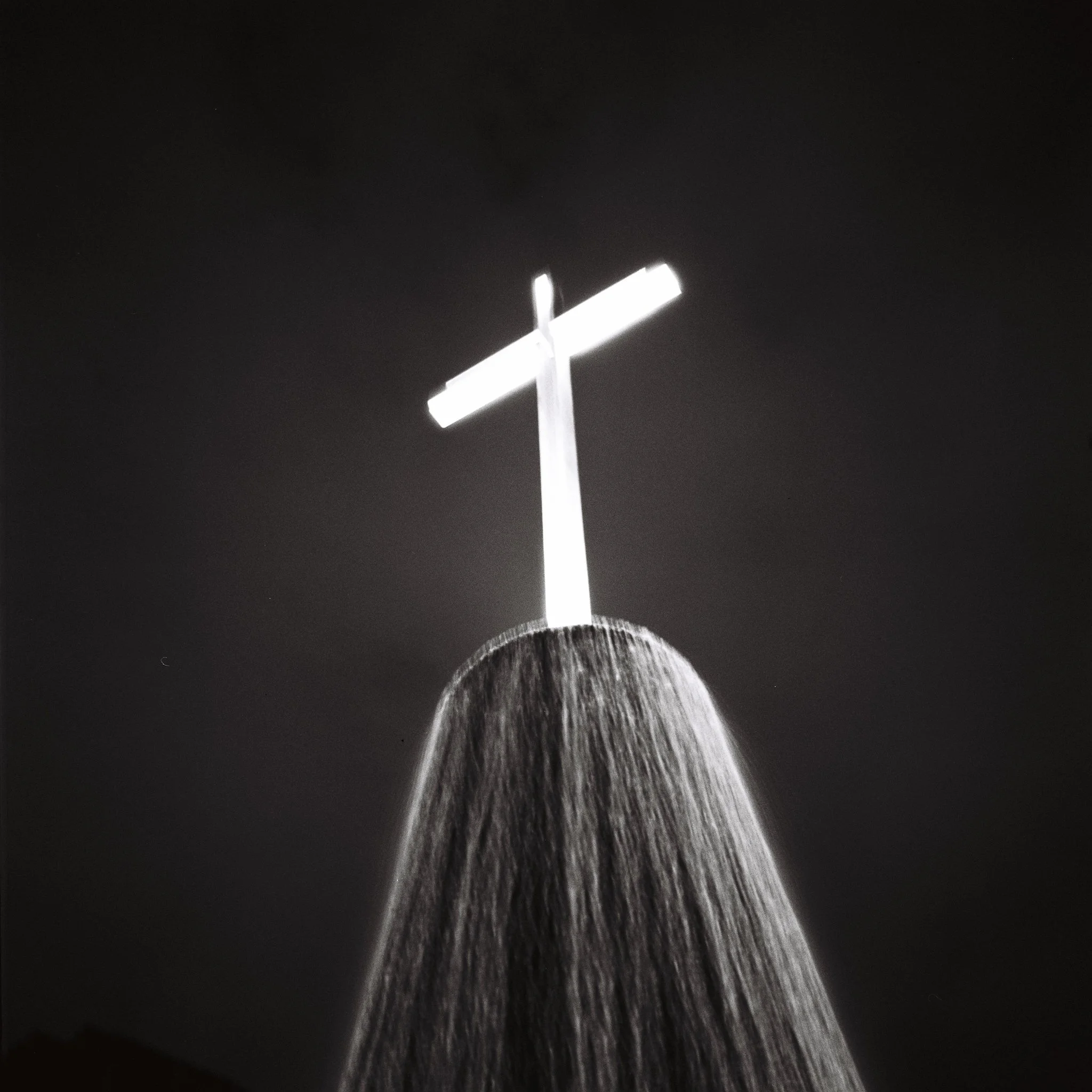
United States of Absolution is a decade-long photographic journey through America that slowly became something else: an attempt to return to humanity.
Across years of travelling and photographing, both the country and I were changing. I began questioning the structures that had taught me who I was supposed to be: masculinity, religion, capitalism, authority, performance, validation and the need for permission.
Yet inside a country full of contradictions, I kept encountering something remarkably simple: people finding ways to care for one another. People loving, changing, opening doors, making space and keeping hope alive.
America became the landscape. Humanity became the subject.
Absolution, to me, is not about being forgiven. It is about being released from everything that prevents us from being fully human. It is the moment we stop waiting for permission to become ourselves.
United States of Absolution is my first photobook, an evolving physical artwork and a record of that unfinished search.
Long version below ↓
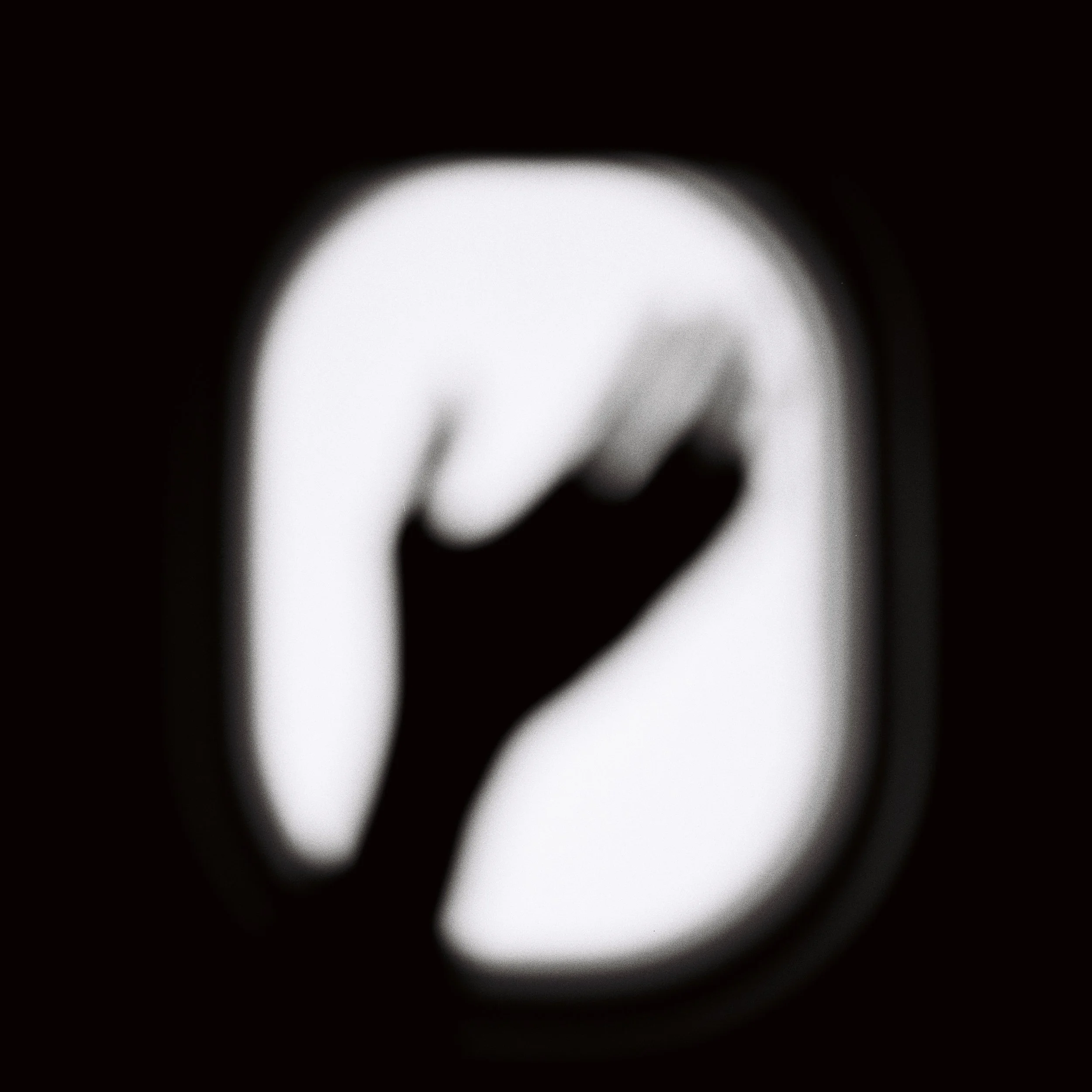
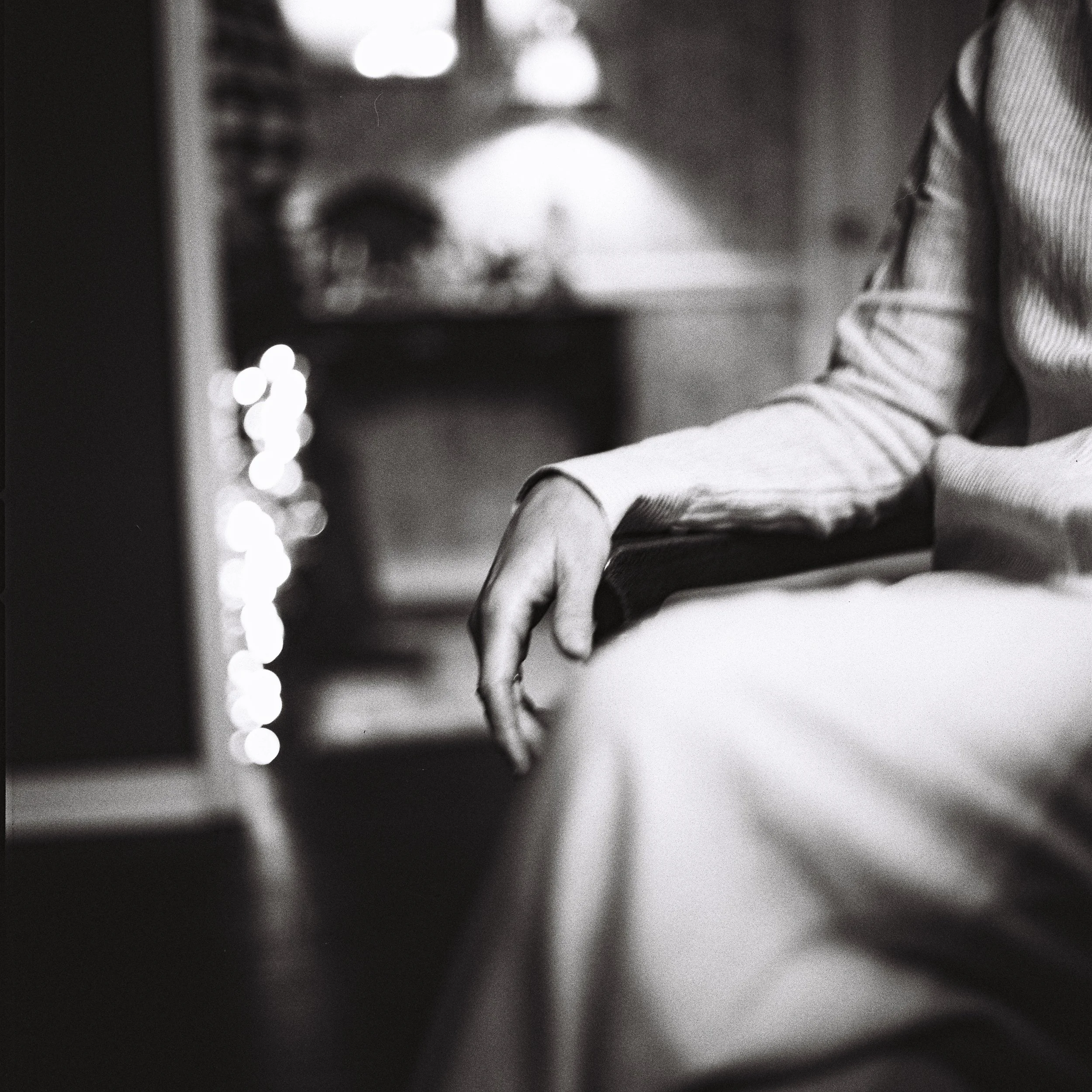
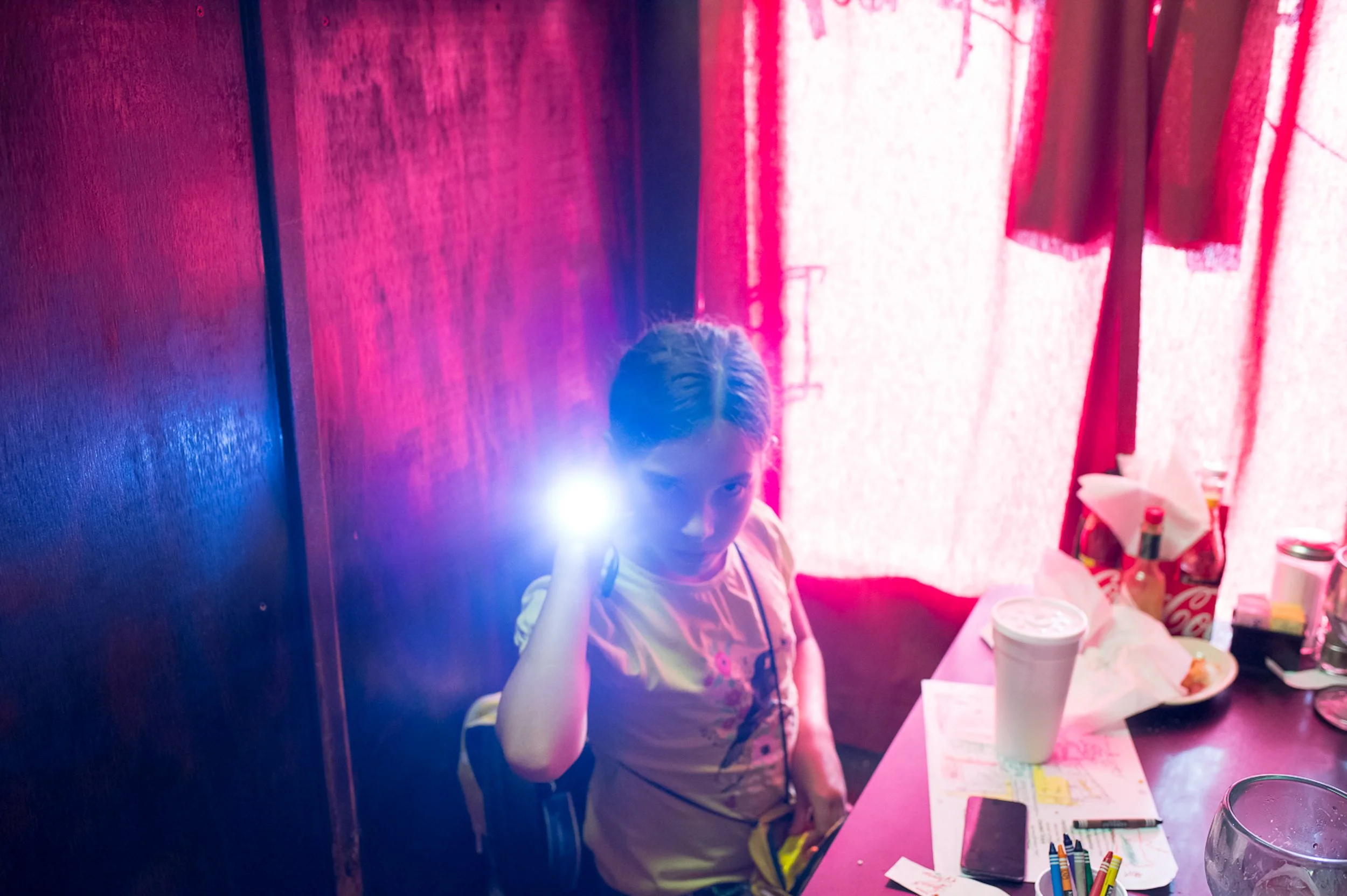
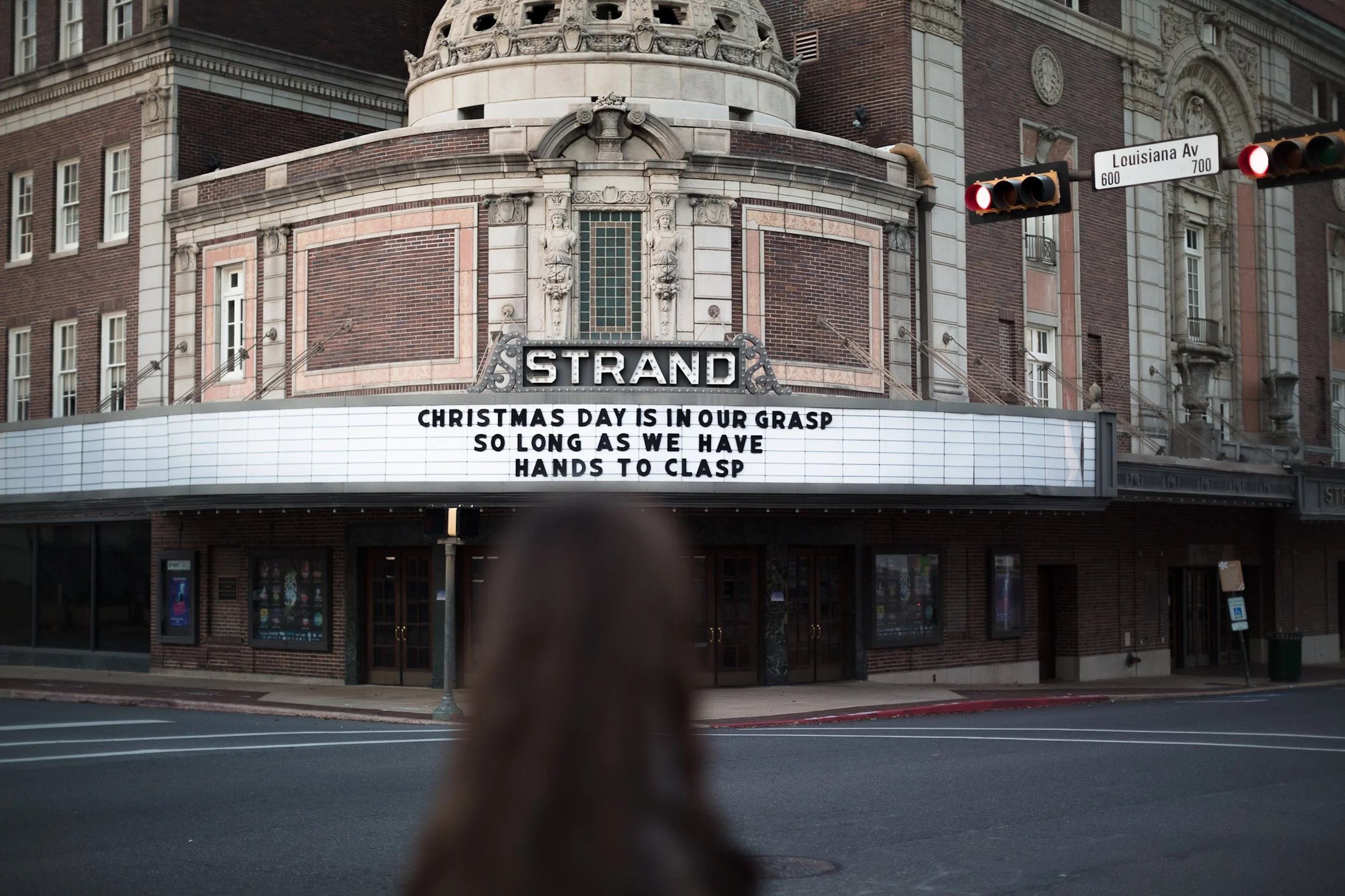
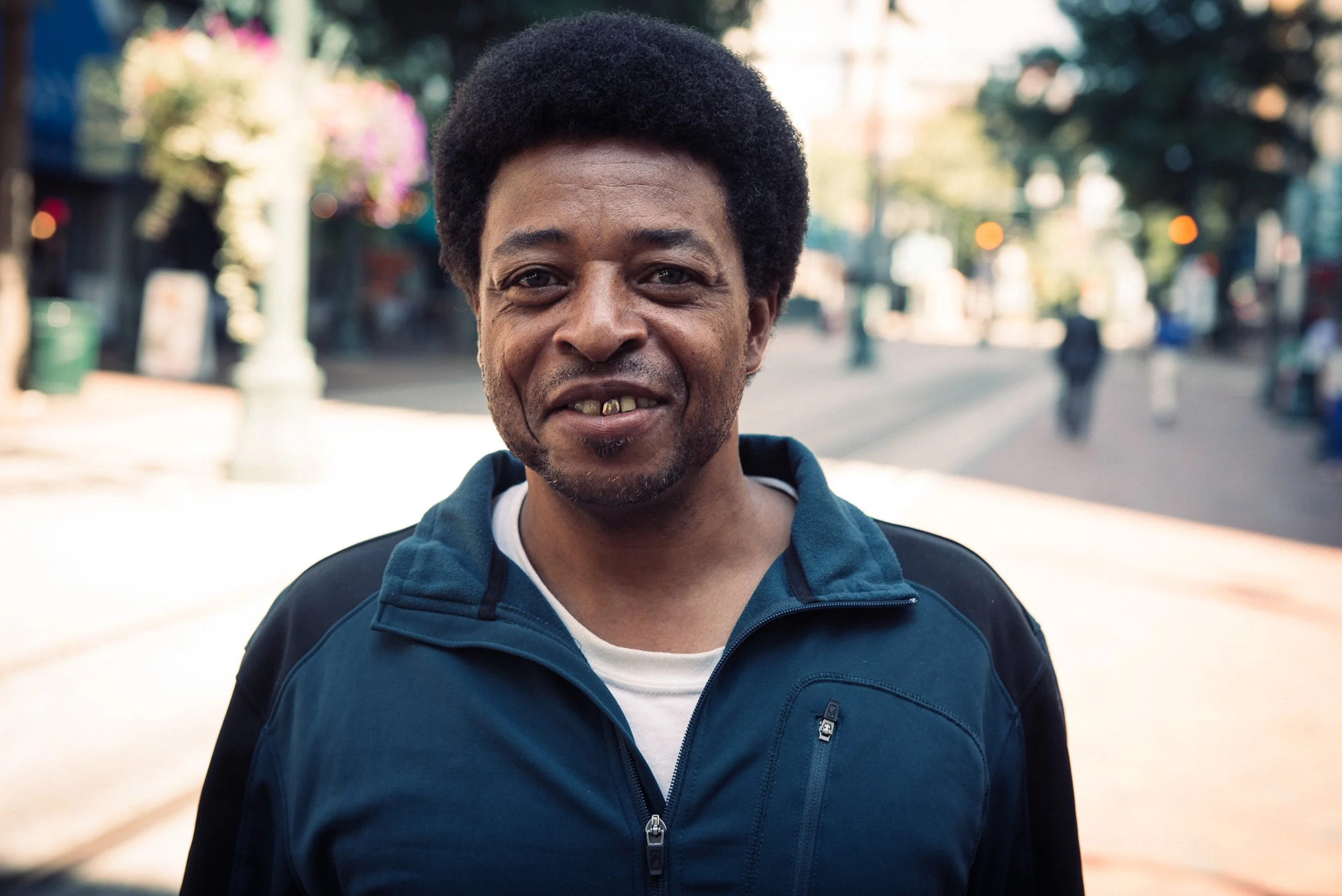
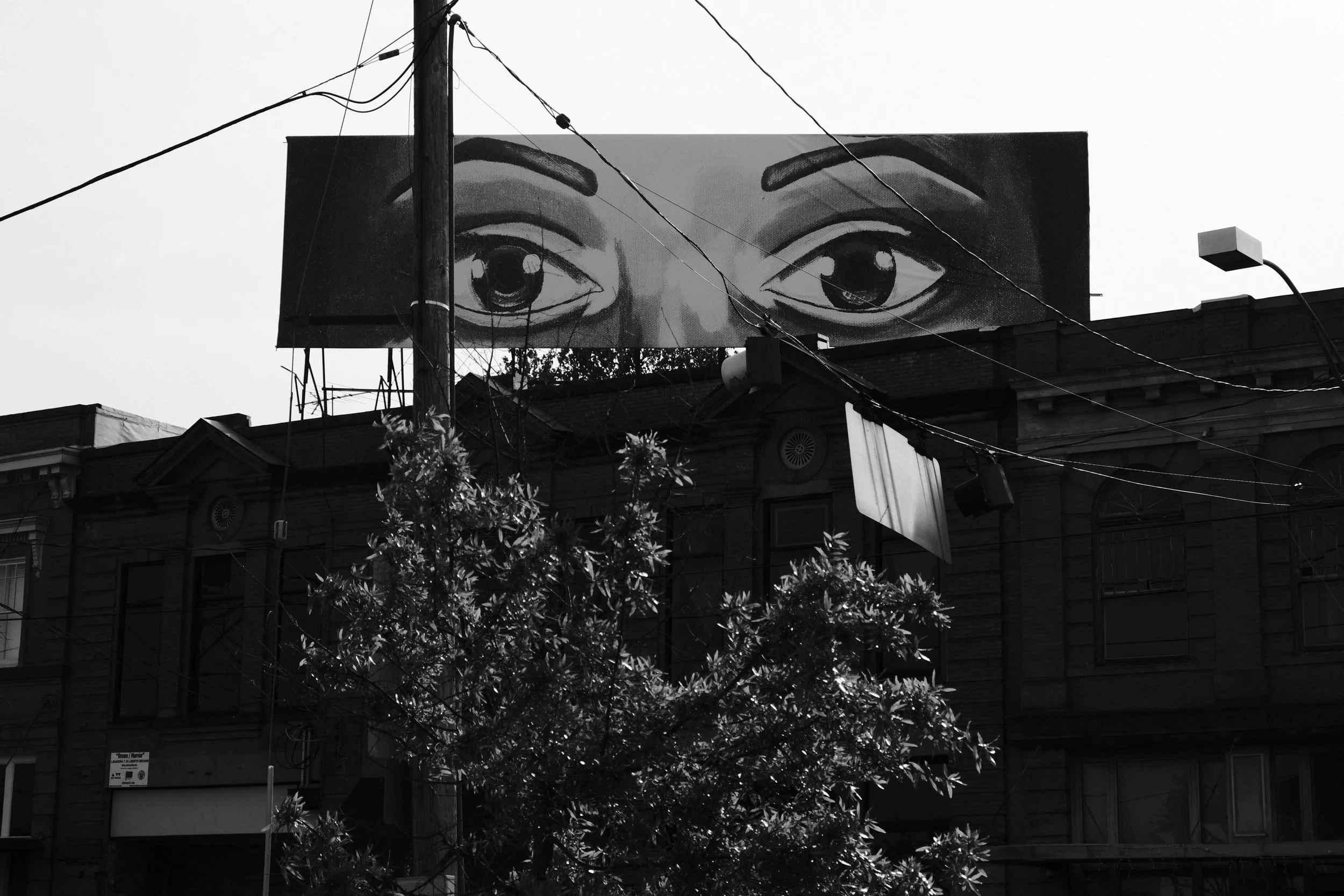
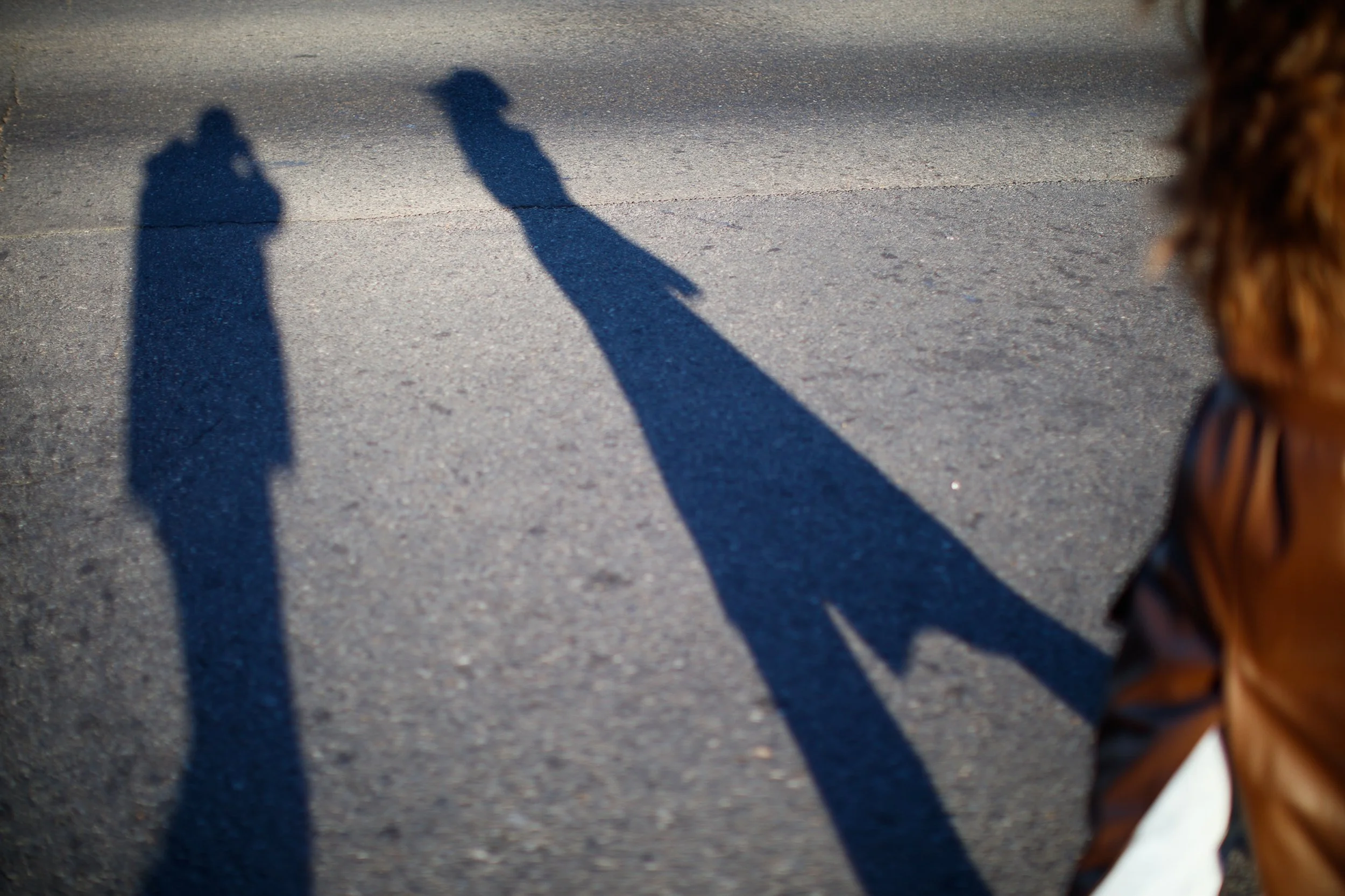
United States of Absolution began with photographs.
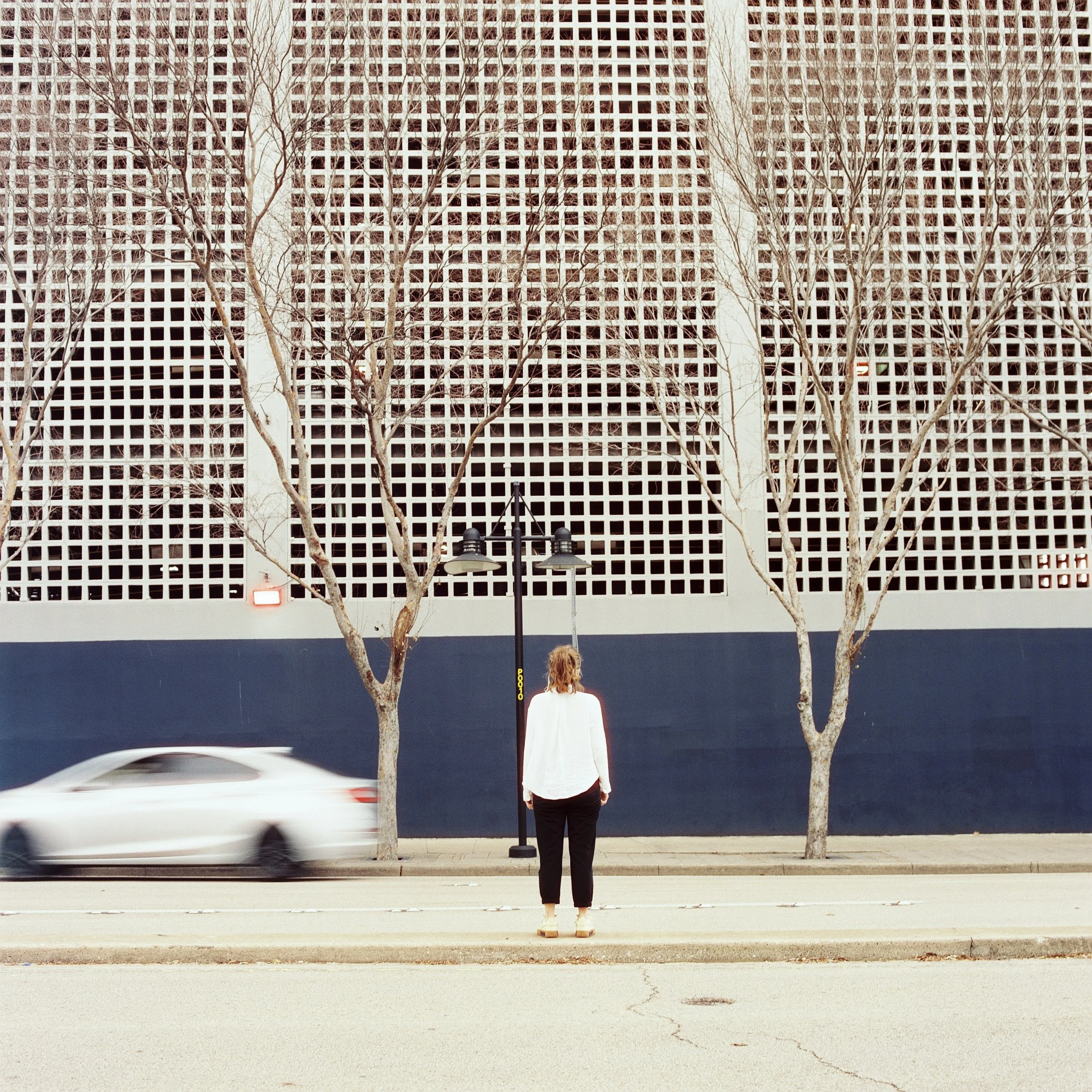
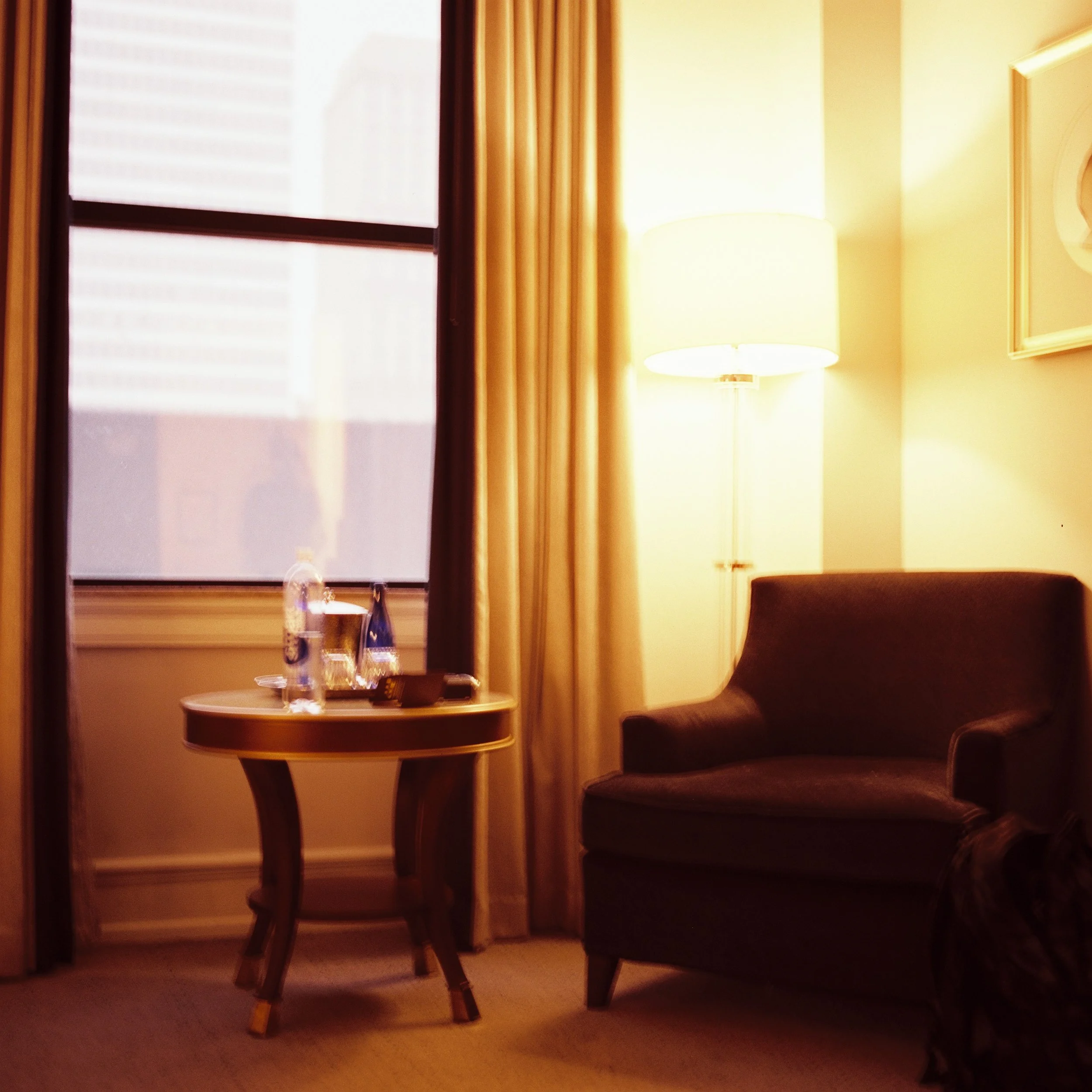
For almost a decade, I travelled repeatedly through the United States, photographing people, landscapes, rooms, roads, encounters and the spaces in between. I wasn’t setting out to make a book about gender, authority or absolution. I was simply moving through a place I kept returning to, photographing what pulled me closer.
Looking at these photographs years later, I started to understand that something else had been happening.
The person who made the first photographs was not the same person who made the last.
During those years, I was questioning much of what had shaped me: masculinity, religion, capitalism, expectations, performance, validation, the need to belong and the need for permission. I was slowly trying to separate being human from all the things I had been taught a human was supposed to be.
America was changing too.
The country I encountered carried an extraordinary promise of reinvention, freedom and possibility, but also enormous contradictions. Authority and freedom. Individualism and belonging. Religion and desire. Borders and movement. Wealth and abandonment. Tenderness and violence.
Yet the photographs aren’t an accusation against America.
Quite the opposite.
Again and again, inside all of these contradictions, I encountered people being human to one another.
People cared. People loved. People opened doors. People made space for each other. People continued becoming themselves. People kept hope alive.
That became much more important to me than making a judgment about a country.
America became the landscape. Humanity became the subject.
And this is where Absolution entered the work.
Absolution is traditionally something granted by an authority. Someone has the power to judge you, and therefore someone has the power to forgive you.
I am interested in what happens when we remove that authority.
What if absolution isn’t something another person gives us?
What if it is something we reclaim?
What if we can release ourselves from everything that prevents us from being fully human?
For me, that means letting go of the permission to become. The permission to exist outside masculinity. The permission to stop performing. The permission to belong. The permission to change. The permission to simply be.
I don’t pretend to have completed that process. I still want recognition. I still look for validation. I still carry structures inside me that I am trying to understand and unlearn.
This book exists inside that unfinished space.
The photographs themselves carry another part of this philosophy. Most were made on film. There is something important to me about the commitment of exposing a negative. The moment happened. Light touched material. Something remains. I can interpret it, print it, sequence it and return to it years later, but I cannot go back into that moment and make it something it wasn’t.
The photographs become witnesses.
And now I am turning those witnesses into a physical object.
I want the book itself to resist the language of power surrounding much of what it questions. Where authority can be hard, monumental and controlling, I want this object to feel light. Fragile. Soft. Something closer to a breeze coming from the ocean than a monument demanding attention.
Something you hold rather than something that dominates you.
There is another contradiction I want the physical book to carry.
Books have repeatedly been destroyed in attempts to erase knowledge, culture, identity and memory. Burning the object becomes a way of trying to control what survives.
I want to reverse that gesture.
A number of copies of United States of Absolution will explore the possibility of becoming Unburnable Editions: books for which destruction does not erase the work, but extends its memory. The burning becomes a ritual. A witness. A transformation from one state into another.
Fire does not get the final word.
Neither does authority.
United States of Absolution is my first photobook, but I increasingly understand it as something larger than a book. It is a body of work about photographs, memory, gender, authority, borders, tenderness, hope and our capacity to continue becoming.
Most of all, it is an attempt to return to humanity.
Not to some imaginary moment when humanity was pure or uncomplicated.
But toward the possibility that underneath everything we have built around ourselves—the categories, systems, expectations, borders and performances—we can still recognise another person.
And perhaps ourselves.
Simply as human.